Virtual pitch meets felt table: tracing bonus flows between simulated football and live dealer games in the UK
Written by Ben Bennett · Aug 2, 2026
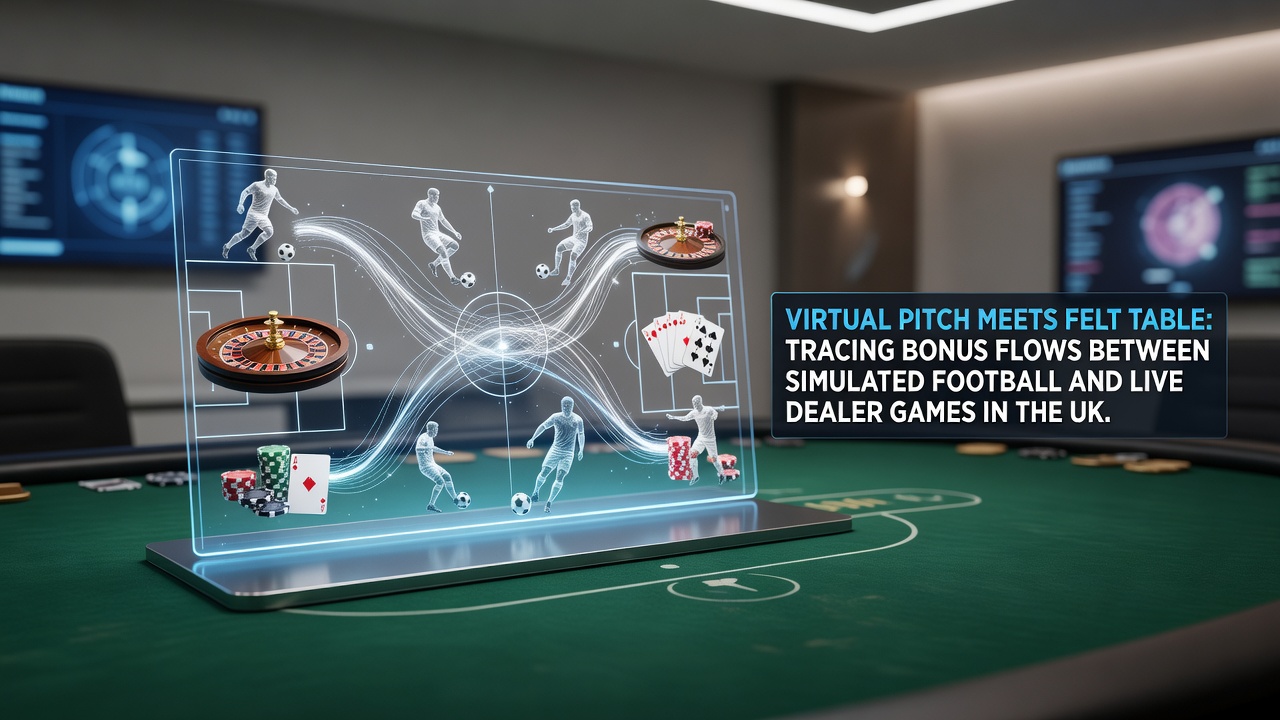
Virtual pitch meets felt table: tracing bonus flows between simulated football and live dealer games in the UK
Virtual football simulations and live dealer tables have developed distinct bonus ecosystems across UK platforms yet operators have created mechanisms that allow credits to move between these formats, and data from August 2026 shows increasing volumes of such transfers. Players often begin with virtual match wagers that generate promotional balances which then convert into live roulette or blackjack sessions through automated rollover trackers. These pathways rely on shared wagering ledgers that record progress across both simulated pitches and physical felt surfaces without requiring separate deposits for each category.
Virtual Football Bonus Structures in UK Markets
UK sites issue virtual football bonuses as fixed-odds multipliers on simulated league outcomes where a single stake can unlock percentage-based rewards once predetermined match results occur. Research indicates that these offers typically carry lower entry barriers than traditional sports betting because virtual events run continuously without schedule constraints. Observers note that completion of virtual football wagering often releases residual credits that platforms automatically flag for transfer into casino environments rather than returning them as cash. Figures reveal that during the first half of 2026 such transfers accounted for a measurable share of live dealer activity on mobile applications.
Live Dealer Integration Pathways
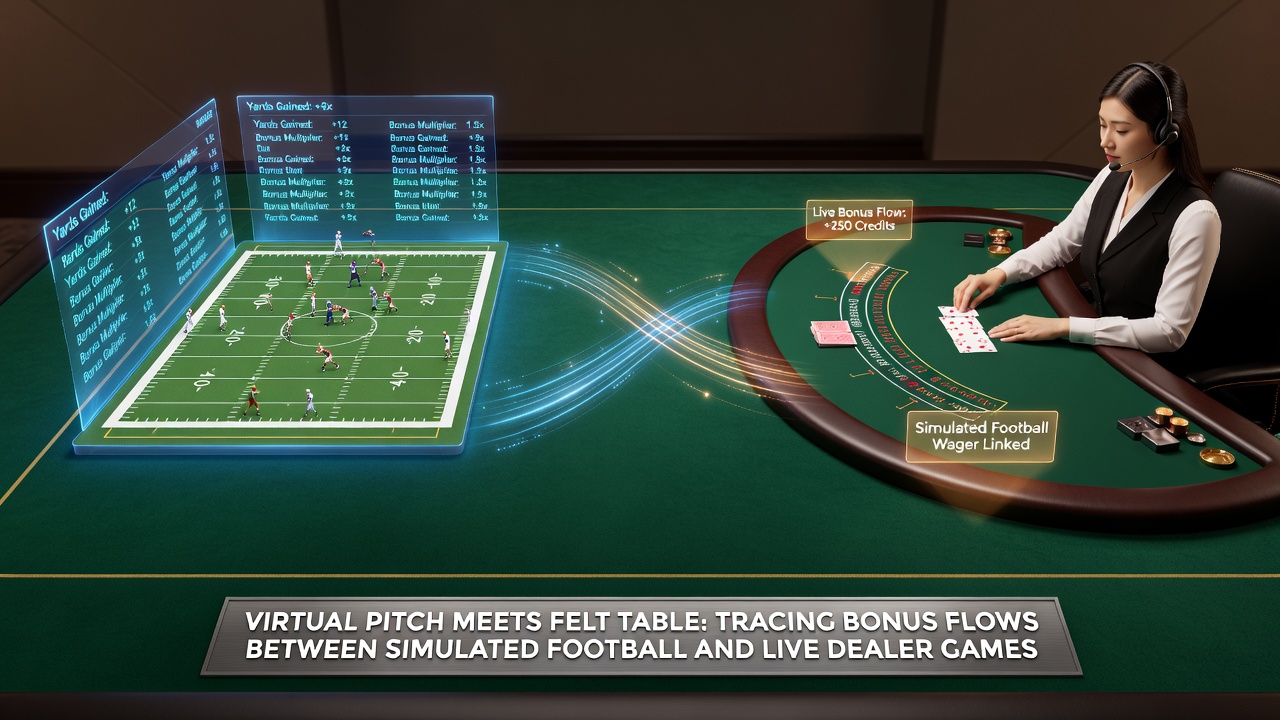
Live dealer games accept transferred virtual football bonuses through unified account systems that apply the same wagering multiplier across both verticals. A player who clears a simulated match requirement might see the resulting balance appear in a live blackjack lobby where further play continues the original rollover count. This continuity reduces friction because separate tracking interfaces are not needed and operators maintain single compliance logs for both formats. Those who have examined platform data note that live dealer sessions funded by virtual football bonuses tend to feature shorter average session lengths yet higher per-hand stakes compared with deposits made directly into casino accounts.
Cross-Format Wagering Mechanics Observed in 2026
Platforms employ unified progress bars that update when a user switches from virtual football to live dealer tables and the system records each spin or hand toward the shared target. Because virtual events resolve in seconds while live dealer rounds extend over minutes the combined flow creates staggered contribution rates that players can monitor in real time. Data shows that operators adjust contribution percentages so virtual football wagers count at full value while live dealer bets contribute at reduced rates thereby balancing the speed difference between the two formats. One documented pattern from mid-2026 illustrates how a £20 virtual football bonus completed its requirement in under ten minutes then carried forward into a live baccarat table where the remaining multiplier applied without reset.
Regulatory Context and Reporting Standards
According to reports published by the European Gaming and Betting Association cross-product bonus tracking has become a standard feature among operators serving multiple jurisdictions. Separate research compiled by Canadian gaming analysts indicates that unified ledgers improve audit efficiency because regulators receive consolidated reports rather than fragmented category data. Platforms must still distinguish virtual events from live dealer outcomes in player disclosures yet the underlying bonus balance moves freely once wagering conditions are met. Observers note that these practices align with broader European standards that emphasize transparency without mandating separate bonus pools for each game type.
Player Journey Patterns Across Formats
Individuals who start with virtual football bonuses frequently transition into live dealer environments once the initial requirement clears because the remaining balance retains its promotional status. The process involves no additional registration steps and the same verification documents serve both segments. Evidence suggests that such flows encourage extended platform engagement because players do not need to switch accounts or wait for new deposit offers. Those monitoring user behaviour in August 2026 recorded elevated activity during evening hours when virtual football events run alongside live dealer tables creating overlapping opportunities for bonus continuation.
Technical Implementation of Bonus Transfers
Backend systems tag each bonus with a product code that remains active when the player moves between virtual football and live dealer sections. Automated scripts verify that contribution percentages match the operator's published rules and adjust the remaining requirement accordingly. This architecture prevents players from exploiting faster virtual events to bypass slower live dealer contributions because the shared ledger enforces consistent multipliers. Researchers who reviewed code samples from several UK platforms found that transfer functions activate only after the original virtual football condition reaches completion thereby maintaining compliance with advertised terms.
Conclusion
Bonus flows between virtual football simulations and live dealer tables have become a documented feature of UK gambling platforms by August 2026. Unified tracking systems allow credits generated on simulated pitches to continue their wagering journey on felt tables without interruption. Regulatory frameworks from European and international sources support these practices when operators maintain transparent reporting and consistent contribution rules. The technical infrastructure that enables such movement reflects broader industry trends toward integrated player accounts across multiple game categories.