Synchronizing Bonus Expiration Mechanics with User Travel Patterns During UK Football Away Fixtures on Mobile Platforms
Written by Logan Schröder · May 24, 2026
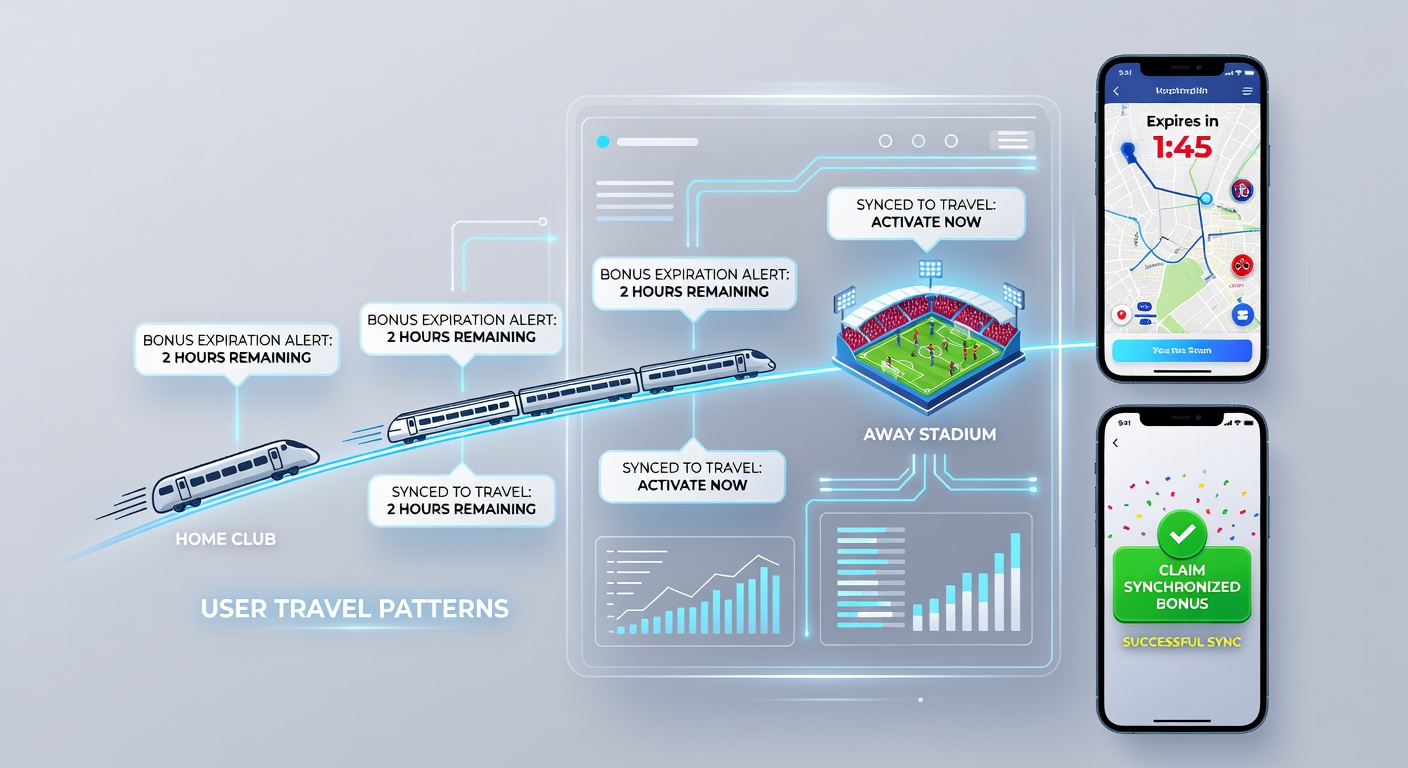
Synchronizing Bonus Expiration Mechanics with User Travel Patterns During UK Football Away Fixtures on Mobile Platforms
UK football away fixtures generate distinct travel patterns among supporters who rely on mobile platforms for bonus access and redemption, and these patterns often intersect with expiration mechanics tied to time windows and location data. Research from the Australian Communications and Media Authority shows mobile wagering sessions spike during transit periods before matches, with users checking bonus status while moving between rail hubs and stadiums.
Travel Dynamics in UK Away Games
Supporters heading to away fixtures typically follow predictable routes that involve trains, coaches, and motorways, and these journeys create windows where mobile connectivity remains steady but engagement time varies. Data indicates average travel durations range from two to four hours for Premier League and Championship matches, during which users interact with apps to monitor bonus timers that count down in real time. Observers note that platforms adjust expiration alerts based on geolocation signals collected from user devices, allowing bonus validity periods to extend or contract according to estimated arrival times at venues.
Mechanics of Bonus Expiration on Mobile
Bonus structures on mobile apps incorporate expiration rules measured in hours or days from activation, and these rules align with fixture calendars published by leagues each season. When fans activate free bets or deposit matches before departing for an away game, the remaining time until expiry can overlap with periods of limited network access in tunnels or rural stretches. Studies from the University of Nevada Las Vegas International Gaming Institute reveal that synchronization features use predictive algorithms to pause or extend timers during detected travel segments, reducing instances where bonuses lapse before users reach their destinations.
Integration with Fixture Schedules in 2026
May 2026 features several key away fixtures across the English Football League that coincide with holiday travel surges, and platforms incorporate these dates into their bonus calendars to match user movement forecasts. Applications pull live transport data from national rail and road services to refine expiration windows, ensuring bonuses remain active for users whose journeys extend beyond initial estimates. This approach draws on aggregated anonymized location patterns collected across thousands of devices, allowing systems to anticipate delays caused by matchday congestion or weather events common in late spring.
Users often activate sports-related bonuses hours before departure, which means the synchronization process must account for both scheduled kickoff times and variable transit durations. Platforms employ push notifications that update bonus status based on real-time GPS inputs, delivering reminders at intervals calibrated to typical coach or train schedules between cities like Manchester and London or Newcastle and Liverpool.
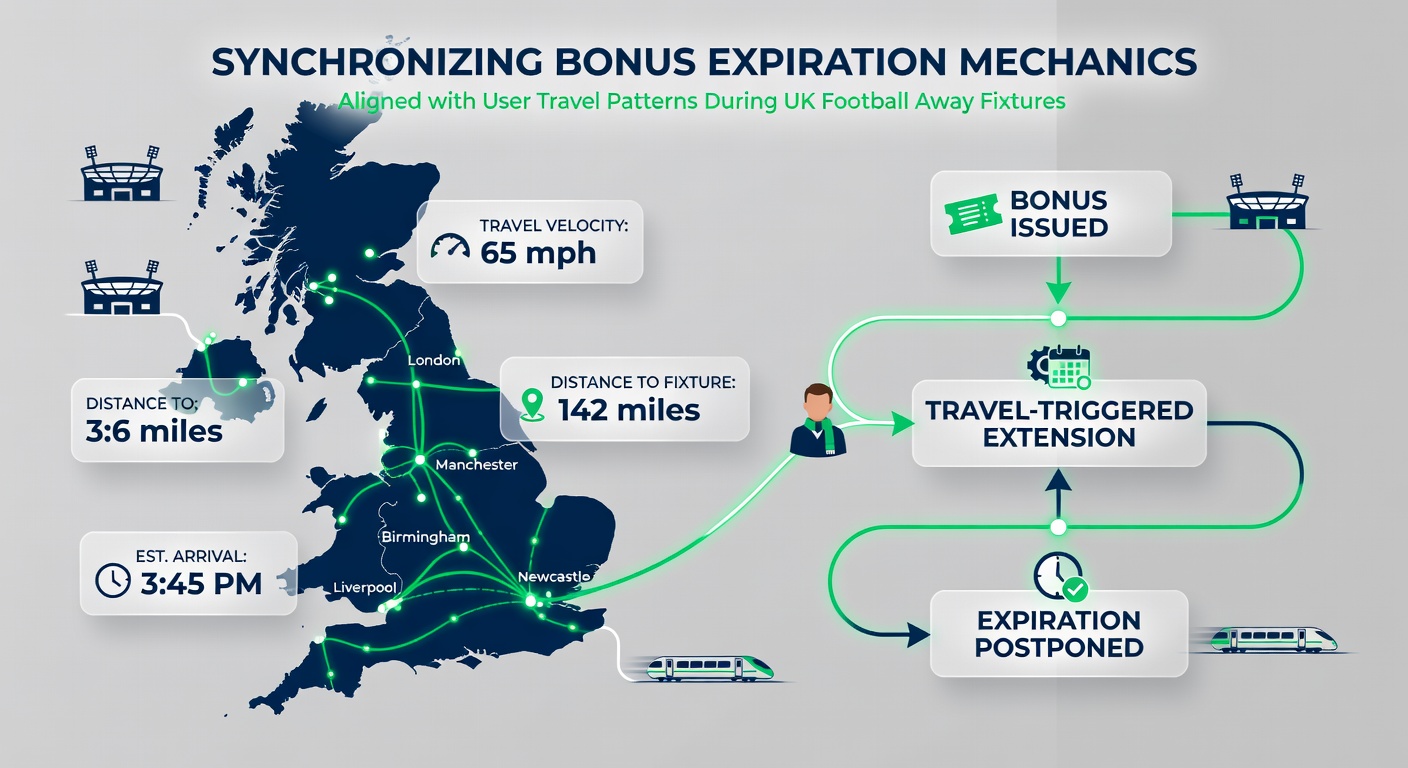
Technical Approaches to Alignment
Developers implement location-aware triggers that detect when a device moves beyond a defined radius from the user's home postcode, and these triggers adjust bonus parameters accordingly. According to figures from the Australian Communications and Media Authority, mobile betting applications that integrate transport APIs achieve higher redemption rates because expiration mechanics adapt to actual rather than assumed travel times. The process involves cross-referencing fixture lists released by governing bodies with historical journey data sets, creating dynamic timelines that reset or extend validity periods during active travel modes.
Algorithms also factor in match-specific variables such as kickoff times and expected crowd dispersal periods after games conclude. This ensures remaining bonus balances stay accessible while supporters return home, particularly on evenings when return trains operate on reduced schedules. Those who study mobile platform performance observe that such alignments rely on secure data exchanges between betting operators and transport information providers, maintaining user privacy while delivering functional adjustments.
Examples from Platform Implementations
One documented case involves an app that extended a 48-hour bonus window by up to six hours when users entered a geofenced zone around major stations serving away fixtures. Another implementation pauses the expiration clock entirely once the app registers sustained movement consistent with rail travel, resuming only after the device stabilizes near the destination stadium. These adjustments appear in user logs during high-volume periods such as the May 2026 schedule, where multiple midweek and weekend away games cluster within short timeframes.
Analysts examining usage metrics find that synchronized systems correlate with increased session durations on mobile devices during transit, as users receive timely updates rather than abrupt expiry notices. The underlying code combines timestamp data from bonus activations with velocity calculations derived from accelerometer and GPS readings, producing estimates accurate enough to prevent premature terminations in most documented journeys.
Conclusion
Platforms continue refining these synchronization methods by incorporating additional data streams from transport operators and league calendars, which allows bonus expiration mechanics to respond more precisely to the realities of supporter travel during UK football away fixtures. The result is a system where mobile users encounter fewer mismatches between their physical movements and digital reward availability, supported by ongoing analysis of fixture-driven patterns through 2026 and beyond.