Mapping player pathways through UK loyalty tiers that convert initial poker entries into sustained sports accumulator credits and dealer table extensions
Written by Ben Bennett · May 27, 2026
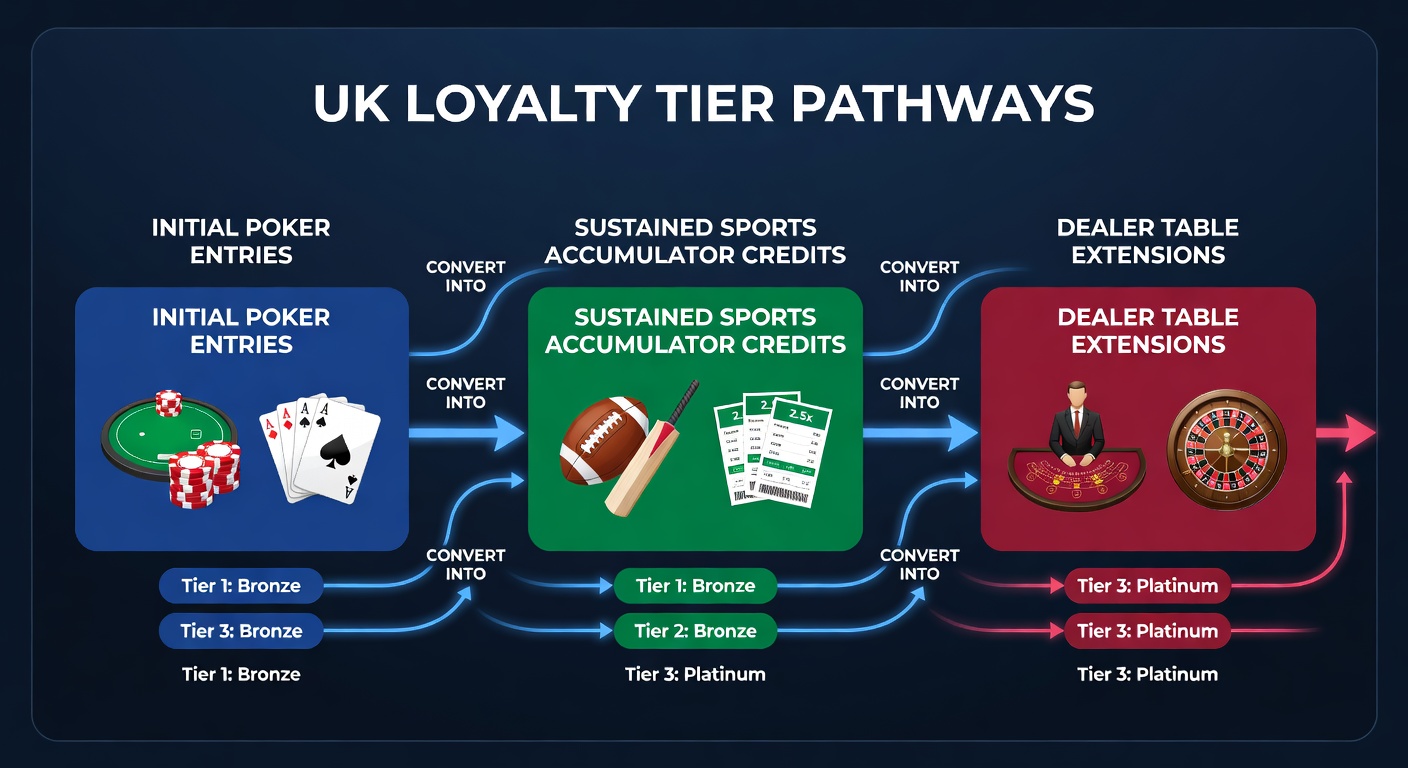
Mapping player pathways through UK loyalty tiers that convert initial poker entries into sustained sports accumulator credits and dealer table extensions
Observers note that UK betting platforms structure loyalty programs as tiered systems where initial participation in poker generates points that unlock broader access across sports and live dealer options. These frameworks track player activity through accumulated rake from poker tables and convert those metrics into credits applicable to accumulator bets or extended sessions at dealer tables. Data from industry reports indicate that such pathways often begin with entry-level tiers requiring minimal poker volume before advancing to intermediate levels that incorporate sports wagering features. Players start at base tiers by completing poker entries that award points based on hands played and stakes involved. Once thresholds are met, accounts transition into segments offering accumulator credits, which function as matched funds or boosted odds for multi-leg sports selections. This conversion process relies on algorithmic tracking that logs poker activity and redistributes value into sports environments without requiring separate deposits. Research from the University of Nevada's gaming studies shows similar tier mechanics operate across regulated markets, with points systems scaling rewards proportionally to engagement duration.Progression mechanics in tier advancement
Advancement through loyalty tiers follows defined criteria tied to poker performance metrics, including total rake contributed and frequency of sessions. As participants reach silver or gold levels, platforms extend credits that apply directly to accumulator construction, allowing sustained use across football, tennis, and racing markets. The process integrates dealer table extensions by allocating additional playtime tokens derived from the same poker-derived points pool. Figures from the European Gaming and Betting Association reveal that operators in multiple jurisdictions employ comparable models where cross-category redemption rates increase by measurable margins once tier thresholds are cleared.
One documented pathway involves players completing a set number of poker tournaments to qualify for sports accumulator credits that persist over several betting cycles. These credits maintain value through rollover conditions that encourage continued activity rather than immediate withdrawal. Live dealer table extensions follow a parallel route, granting access to extended blackjack or roulette sessions based on accumulated loyalty status. Such sequences create interconnected loops where poker serves as the entry vector and sports accumulators plus dealer play represent sustained endpoints.
Integration points between poker and extended categories
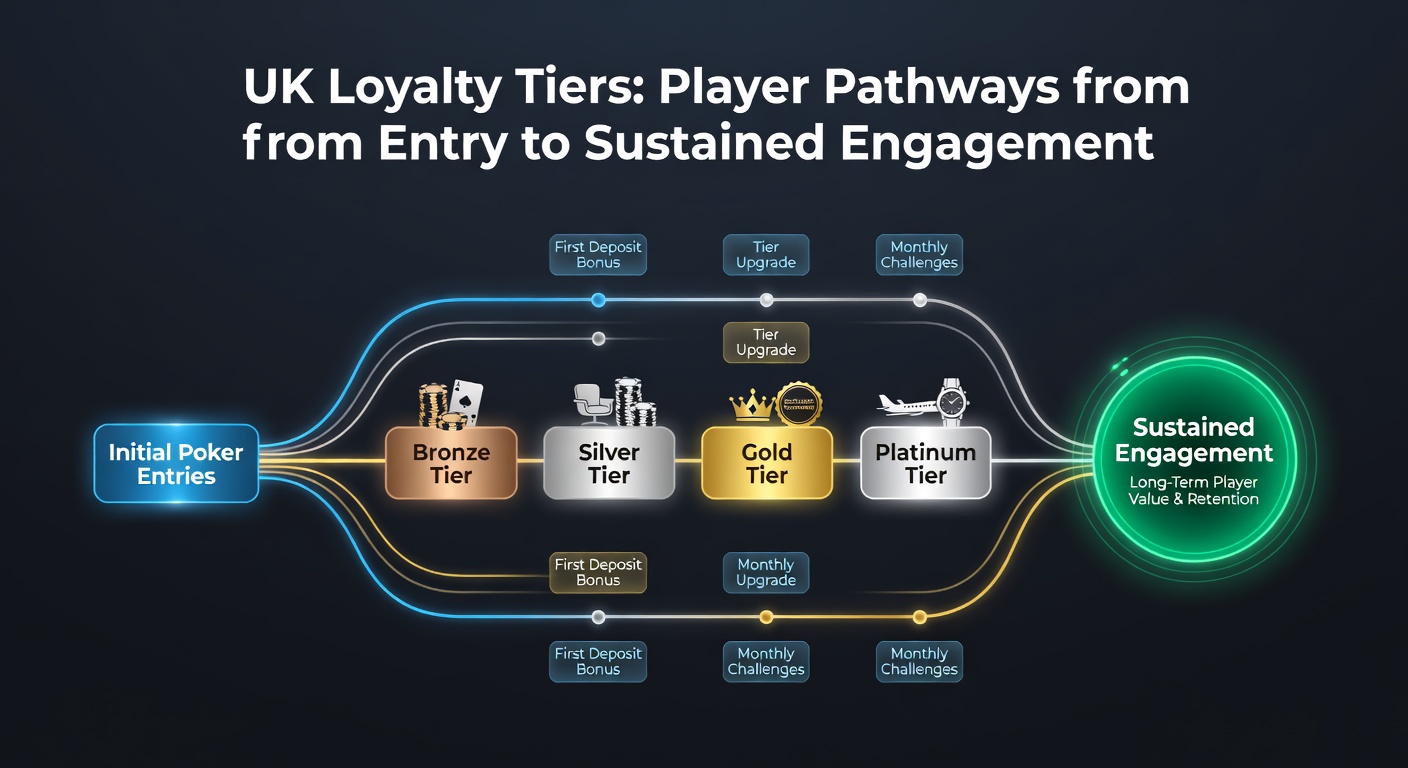
Conversion mechanics operate through centralized loyalty ledgers that debit poker points and credit equivalent values to sports or casino ledgers. In practice, an initial poker entry yielding 500 points might translate into accumulator credits covering a portion of a five-leg sports bet while simultaneously unlocking thirty minutes of additional dealer table time. Platforms implement these transfers via automated systems that update in real time, ensuring seamless movement between categories. Studies conducted by teh Canadian Centre for Gaming Research document that such integrated tracking reduces player drop-off rates during transitions between game types.
By May 2026, several major UK operators had refined these pathways to include milestone bonuses triggered at specific tier boundaries. These bonuses appear as layered accumulator credits that stack with existing sports positions or extended dealer access periods. The adjustments reflect broader industry shifts toward unified reward ecosystems where poker activity directly subsidizes multi-category participation. External data compiled by the Australian Gambling Research Centre supports the observation that tiered conversions maintain higher retention when points remain transferable across verticals rather than siloed within single game types.
Tracking and redemption patterns observed across platforms
Redemption logs show that accumulator credits derived from poker entries typically apply to higher-stake sports selections, while dealer table extensions favor longer-duration sessions at lower per-hand costs. Analysts tracking these patterns report consistent usage spikes during major sporting calendars, with points flowing from poker into accumulator builds that align with championship schedules. The systems accommodate both desktop and mobile interfaces, preserving tier status across devices without requiring manual intervention.
Case examples from operator dashboards illustrate sequences where a player enters poker tournaments at bronze tier, accumulates sufficient points over two weeks, and then redeems into sports accumulator credits followed by dealer table extensions. These movements occur without additional funding steps because the loyalty engine handles the category shifts internally. Industry organizations such as the International Association of Gaming Regulators note that transparent point conversion rates help maintain compliance across jurisdictions that permit multi-vertical wagering.
Conclusion
The mapping of player pathways through UK loyalty tiers demonstrates structured progression from poker entries to sustained sports accumulator credits and dealer table extensions. These systems rely on point-based tracking that converts initial activity into cross-category value, supported by data from multiple research bodies. As platforms continue to refine tier mechanics, the documented flows provide measurable continuity between poker participation and extended engagement in sports and live dealer environments.