Decoding Progressive Reward Ladders in UK Digital Gaming Venues
Written by Logan Schröder · Jul 1, 2026
Decoding Progressive Reward Ladders in UK Digital Gaming Venues
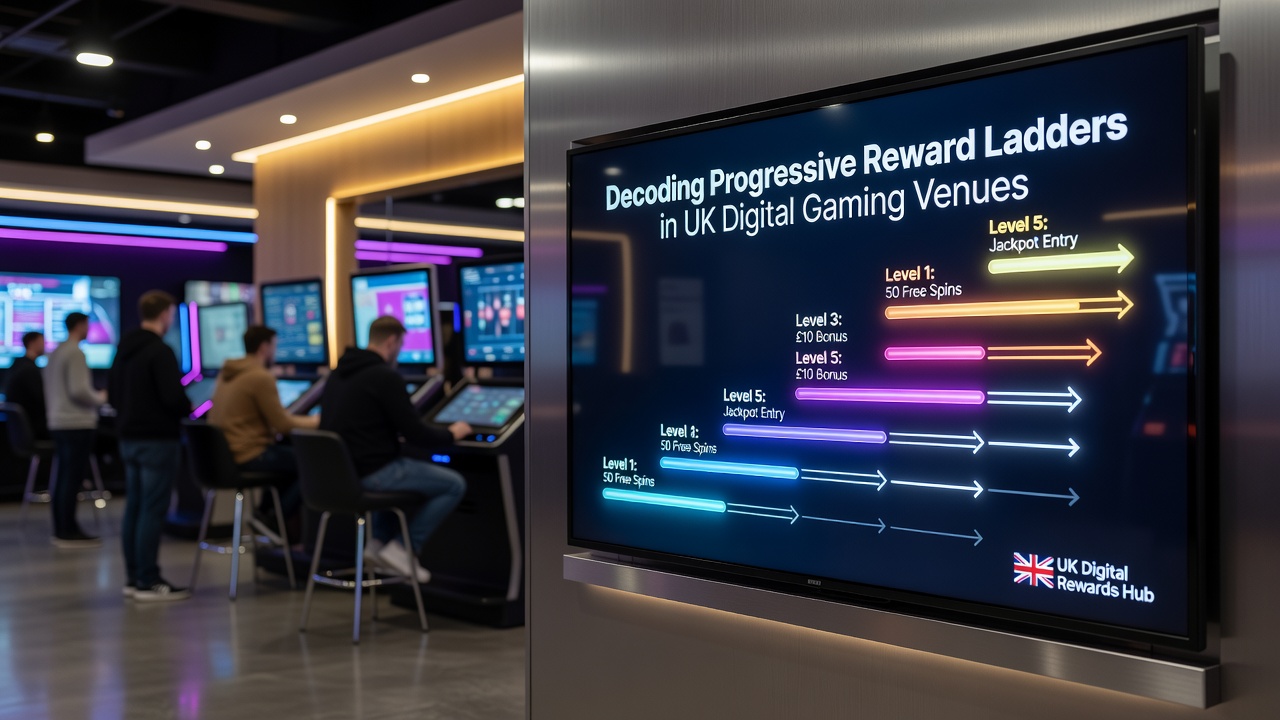
Progressive reward ladders operate as structured loyalty systems across UK digital gaming venues where participants advance through multiple tiers based on accumulated activity such as wagers placed and time spent on platforms, and these systems deliver escalating benefits including enhanced cashback percentages, exclusive tournament access, and personalized promotions as players move upward.
Mechanics Behind Tier Advancement
Players start at entry-level tiers that require modest activity thresholds while higher levels demand sustained engagement measured through points earned from deposits, bets, and session durations, and data from industry reports shows that many venues calculate progression using algorithms that factor in both volume and frequency to determine when someone qualifies for elevation.
Research from the International Gaming Institute at the University of Nevada indicates that reward ladders typically reset or adjust annually which encourages ongoing participation rather than one-time spikes, and observers note that points often carry expiration dates to maintain momentum within the system.
Common Structures Observed in 2026
By July 2026 several major UK platforms had refined their ladders to include between four and seven distinct tiers with each level unlocking incremental perks such as faster withdrawal processing, higher deposit match rates, and invitations to invite-only events, while some operators introduced hybrid models that blend sports betting activity with casino play to accelerate movement across categories.
Entry and Mid-Level Benefits
Lower tiers commonly provide standard cashback rates around 5 to 10 percent alongside occasional free spins or bet credits, yet mid-tier status frequently adds priority customer support and tailored game recommendations based on historical play patterns, and those who study these systems find that the transition points between levels often hinge on monthly or quarterly activity audits.
Player Progression Patterns and Data Trends
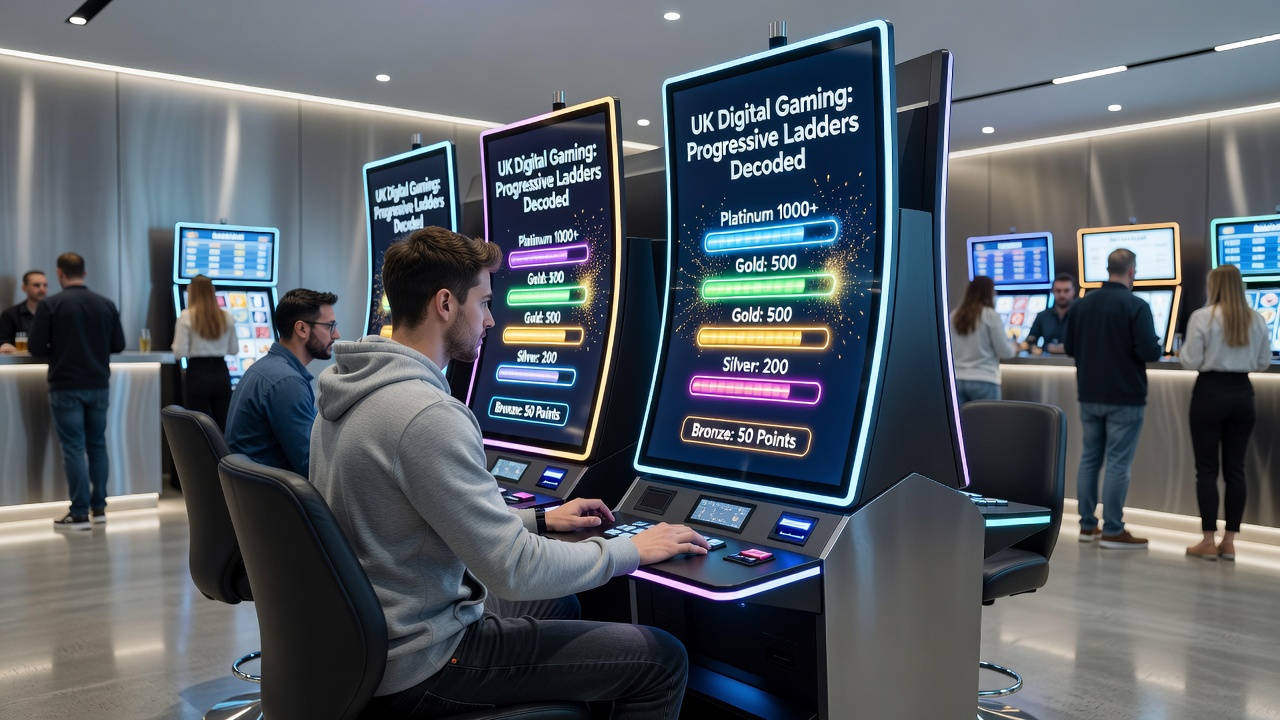
Analyses conducted by the Canadian Centre for Gaming Research reveal that a significant portion of active accounts reach the second or third tier within the first three months of regular play, and figures show that retention rates climb noticeably once participants unlock mid-level advantages which creates measurable differences in session lengths compared to non-tiered users.
Platforms track these movements through centralized dashboards that display current points, next-tier requirements, and projected rewards, while some venues allow partial carryover of points during tier resets to soften the drop for long-term participants who maintain consistent activity levels.
Integration with Broader Gaming Features
Reward ladders connect directly with other promotional tools such as seasonal challenges and cross-game multipliers where completing tasks in one category contributes points toward ladder advancement, and this interconnected design means that participants engaging with sportsbooks, table games, and slots simultaneously can optimize their progression speed more effectively than single-category users.
Operators adjust ladder parameters periodically based on aggregated usage data which allows fine-tuning of thresholds to balance accessibility with exclusivity, and external audits confirm that transparency around these adjustments helps maintain compliance across different regulatory frameworks in the region.
Conclusion
Progressive reward ladders continue to evolve as core components of UK digital gaming venues with their tiered structures shaping how participants interact with platforms over extended periods, and ongoing refinements in July 2026 reflect broader industry shifts toward personalized progression paths that respond to individual activity profiles while maintaining clear advancement criteria across multiple game types.