Decoding Loyalty Ladders: How British Platforms Layer Rewards to Bridge Casino Floors and Sports Arenas
Written by Devon Schwarz · Jun 19, 2026

Decoding Loyalty Ladders: How British Platforms Layer Rewards to Bridge Casino Floors and Sports Arenas
British platforms have developed loyalty ladders that accumulate points from both casino spins and sports wagers, allowing users to climb tiers while unlocking benefits that transfer between the two environments. These systems operate through structured progression models where activity in one area feeds directly into rewards applicable in another, creating continuous engagement cycles that platforms maintain across their product ranges.
Core Structure of Tiered Reward Systems
Most British operators organise loyalty programs into multiple levels that users advance through based on accumulated points from deposits, bets, and gameplay volume. Entry-level tiers grant basic multipliers on casino returns while higher stages introduce cross-category perks such as enhanced odds on accumulator bets or dedicated cashback rates on table games. Data from industry reports shows that participants who engage with both verticals tend to reach advanced tiers faster because platforms assign equivalent point values to diverse activities including football stakes and roulette rounds.
Points calculation typically follows formulas that weigh stake size against game type, with sports events sometimes carrying variable multipliers during peak fixtures. Observers note that operators adjust these weights periodically to balance participation across casino floors and sports arenas, ensuring neither side dominates point accrual entirely. By June 2026 several platforms had introduced seasonal adjustments that doubled points during major tennis tournaments and live dealer events simultaneously.
Cross-Vertical Reward Integration
The layering process begins when users generate points through initial casino activity and then apply those same points toward sports-specific rewards like bet credits or enhanced free bet tokens. Conversely, successful sports wagers feed into casino advantages such as increased free spin allocations or reduced wagering thresholds on progressive jackpots. This bidirectional flow relies on unified account ledgers that track contributions without requiring separate logins or wallets for each category.
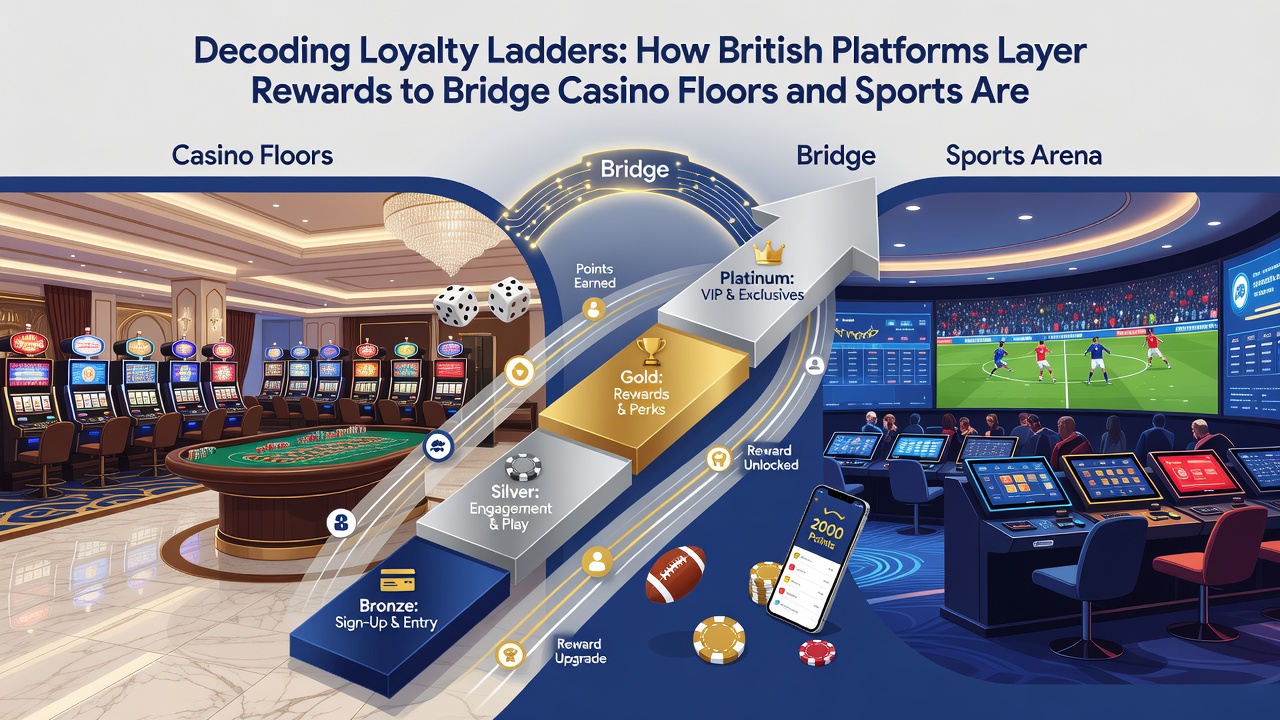
Research conducted by the European Gaming and Betting Association indicates that integrated loyalty structures increase average session duration across both product types. Platforms achieve this by embedding transfer mechanics directly into user interfaces, where a single dashboard displays remaining points needed for the next tier alongside available redemptions valid for either sports or casino use. Such designs reduce friction while maintaining distinct rules for each vertical's core mechanics.
Progression Mechanics and Point Valuation
Advancement through loyalty ladders depends on consistent valuation systems that convert raw activity into tier status. A typical model assigns base points per pound staked, then applies bonuses for consecutive days of activity or specific event participation. British platforms often layer additional multipliers during promotional windows, such as doubling points earned on live casino tables while simultaneously boosting accumulator payouts in the sportsbook.
Those who've examined these programs find that redemption options expand at each tier, moving from simple deposit matches to sophisticated bundles that combine casino cashback with sports event tickets or merchandise. The transition between tiers occurs automatically once thresholds are met, with notifications delivered through app alerts that detail new benefits spanning both arenas. Evidence from platform analytics reveals that users who maintain activity in both categories retain tier status longer than single-vertical participants.
Seasonal Adjustments and Event-Driven Layers
Operators introduce temporary layers during major sporting calendars or casino tournaments that accelerate point accumulation and create hybrid rewards. For instance, points earned on greyhound races might convert into additional spins on featured slot titles, while blackjack sessions during football international breaks yield enhanced free bet values. These event-based mechanisms sit atop standard ladders without altering permanent tier structures, allowing platforms to respond dynamically to user behaviour patterns observed in June 2026 data sets.
According to findings published in the Journal of Gambling Studies, such layered approaches correlate with higher cross-product migration rates among users who begin in one vertical and expand into the other through reward incentives. British platforms implement these layers via backend systems that synchronise point ledgers in real time, ensuring immediate visibility of transferred benefits across interfaces.
Conclusion
British platforms continue refining loyalty ladders to maintain engagement across casino and sports offerings through structured point systems and bidirectional redemptions. The mechanisms rely on unified tracking, tier progression, and event-responsive multipliers that connect activity in one area to advantages in another. As of June 2026 these approaches remain central to how operators balance participation and extend user lifecycles across their combined product ecosystems.