Charting Reward Timelines: How Peak Championship Windows Shape Claim Strategies for Layered Incentives on British Digital Wagering Platforms
Written by Logan Schröder · May 20, 2026
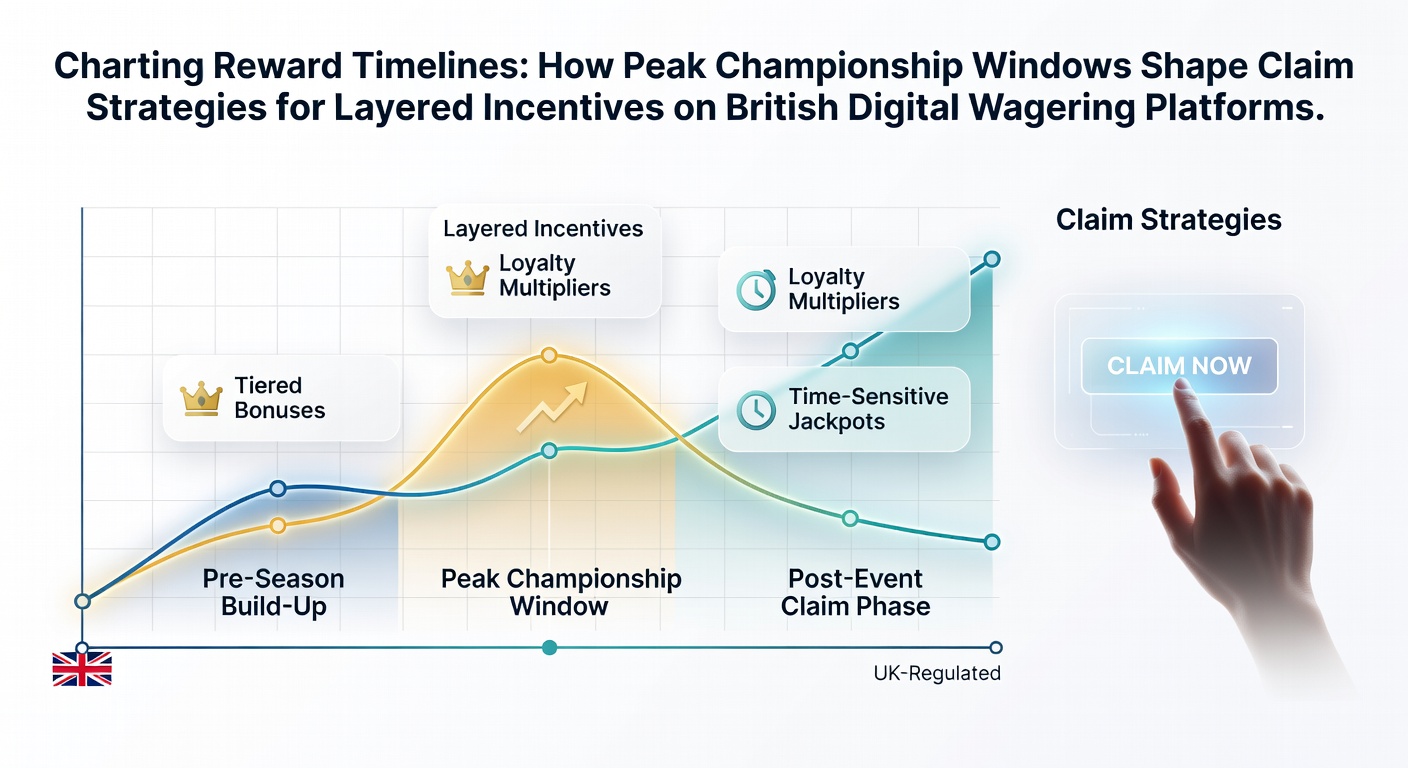
Charting Reward Timelines: How Peak Championship Windows Shape Claim Strategies for Layered Incentives on British Digital Wagering Platforms
Peak championship windows in major sports create distinct patterns in how British digital wagering platforms structure and release layered incentives, and observers note that these periods often drive shifts in when users time their claims to align with bonus cycles and rollover requirements. Data from industry reports reveal that platforms adjust deposit matches, free bet credits, and spin packages around events such as Premier League title deciders or tennis grand slams, which in turn influences the optimal windows for activating and clearing rewards before or during heightened activity.
Mapping Championship Cycles to Incentive Layers
British platforms typically release promotional calendars weeks in advance of major tournaments, and researchers at academic institutions have tracked how these releases coincide with user engagement spikes that last from two to six weeks depending on the sport. During May 2026, for instance, teh closing stages of the domestic football season overlap with early international fixtures, creating extended windows where cashback offers and accumulator boosts stack across multiple game types. Those who study platform data observe that users who activate layered incentives early in these cycles often complete wagering thresholds while traffic remains elevated, whereas later claims risk encountering stricter terms as operators recalibrate for post-event lulls.
Strategic Timing Within Layered Structures
Layered incentives combine elements such as initial deposit matches with subsequent free plays and loyalty multipliers, and experts have documented that claim strategies hinge on identifying the precise overlap between championship calendars and bonus expiry dates. Platforms release these bundles through mobile apps and desktop interfaces, with notification systems highlighting when a new layer becomes available during live events. Studies indicate that users who monitor real-time updates during peak windows can sequence their claims to convert one reward type into another before the next championship phase begins, thereby extending the effective lifespan of the incentive across sports and casino sections.
Take the example of a tennis grand slam period, where in-play betting volumes rise sharply and platforms introduce time-limited spin drops tied to match outcomes. Observers note that players often shift from sportsbook credits to casino layers mid-tournament because the shorter completion windows on spins allow faster progression to the next incentive tier. This sequencing approach appears consistently in platform analytics shared by trade groups, where average clearance rates improve when claims occur within the first 48 hours of a new championship round rather than at its conclusion.
Data Patterns from Regulatory and Research Sources
Figures compiled by the Canadian Centre on Substance Use and Addiction show seasonal variations in online wagering activity that mirror championship schedules across multiple jurisdictions, and similar patterns hold for British markets where layered incentives amplify participation during high-stakes periods. According to their analysis of engagement metrics, users who align reward activations with peak windows demonstrate higher completion rates for multi-layer promotions compared with those who claim outside these intervals. Platforms respond by front-loading certain bonuses ahead of May fixtures, allowing the initial layers to mature while later stages of the championship generate additional free bet opportunities.
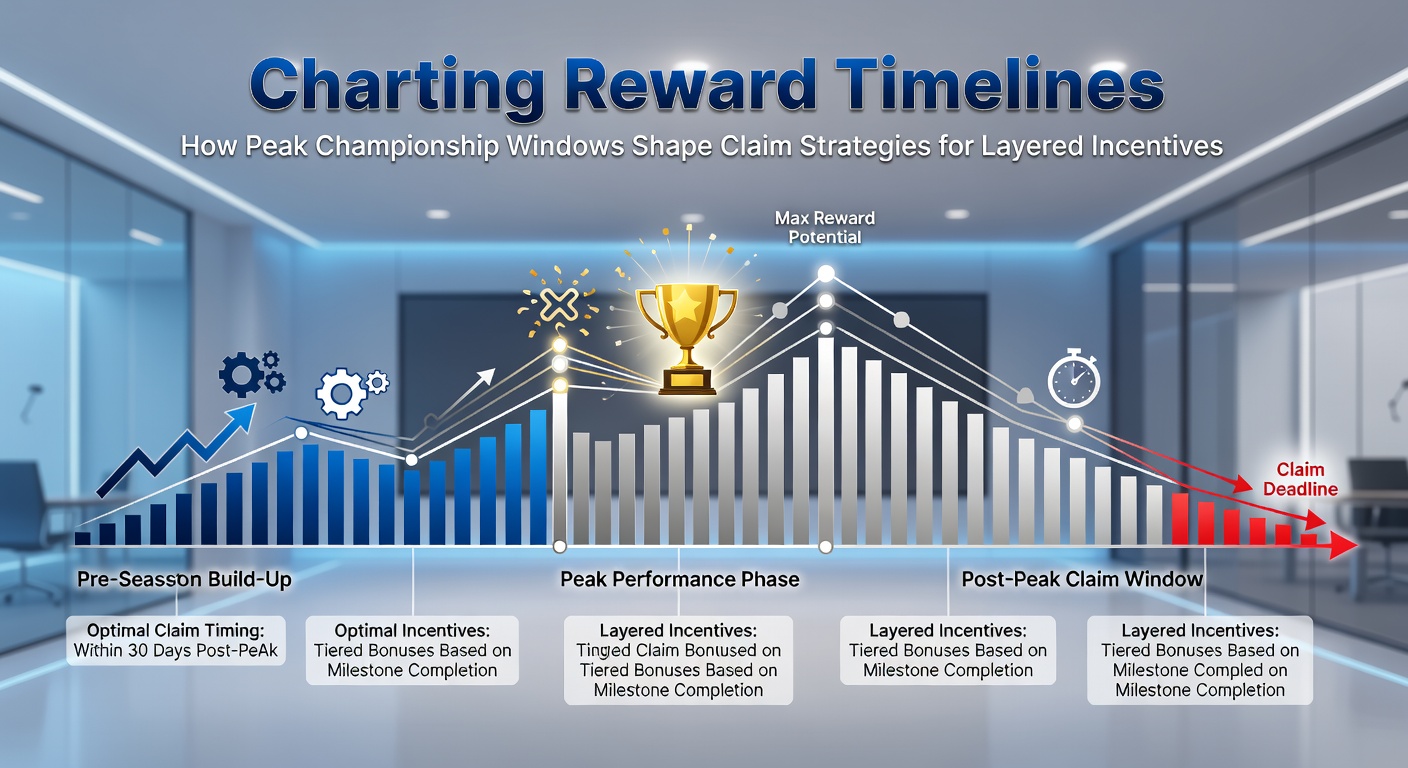
Platform Adjustments and User Response Mechanisms
Digital wagering operators refine their systems each season to accommodate overlapping events, and data reveals that May periods often feature hybrid promotions linking football accumulators with racing or table game tokens. Those who analyze transaction logs find that users employing calendar-based tracking tools tend to space claims across the window rather than clustering them on a single day, which reduces the risk of simultaneous expiry conflicts. This measured approach emerges particularly when platforms introduce progressive multipliers that build over consecutive matchdays or tournament rounds.
Industry organizations such as the European Gaming and Betting Association have published summaries indicating that reward timelines shorten during championship peaks because operator resources focus on live event integration. Their reports highlight how notification timing and bonus layering adjust dynamically, prompting users to review terms immediately upon release rather than deferring activation. In practice, this means early claims during the opening phase of a May 2026 football climax can unlock subsequent layers tied to specific fixtures, creating a chained sequence that spans the entire championship arc.
Conclusion
Charting reward timelines against championship windows provides a clear framework for understanding how layered incentives operate on British platforms, with patterns showing consistent alignment between event peaks and optimal claim points. Research continues to track these dynamics as operators refine their calendars for upcoming seasons, and the resulting strategies reflect measurable responses to the rhythm of major sporting competitions rather than isolated promotional events.