Charting Progression Mechanics in Britain's Multi-Platform Reward Ecosystems for Sports and Table Games
Written by Vera Becker · Jun 21, 2026
Charting Progression Mechanics in Britain's Multi-Platform Reward Ecosystems for Sports and Table Games
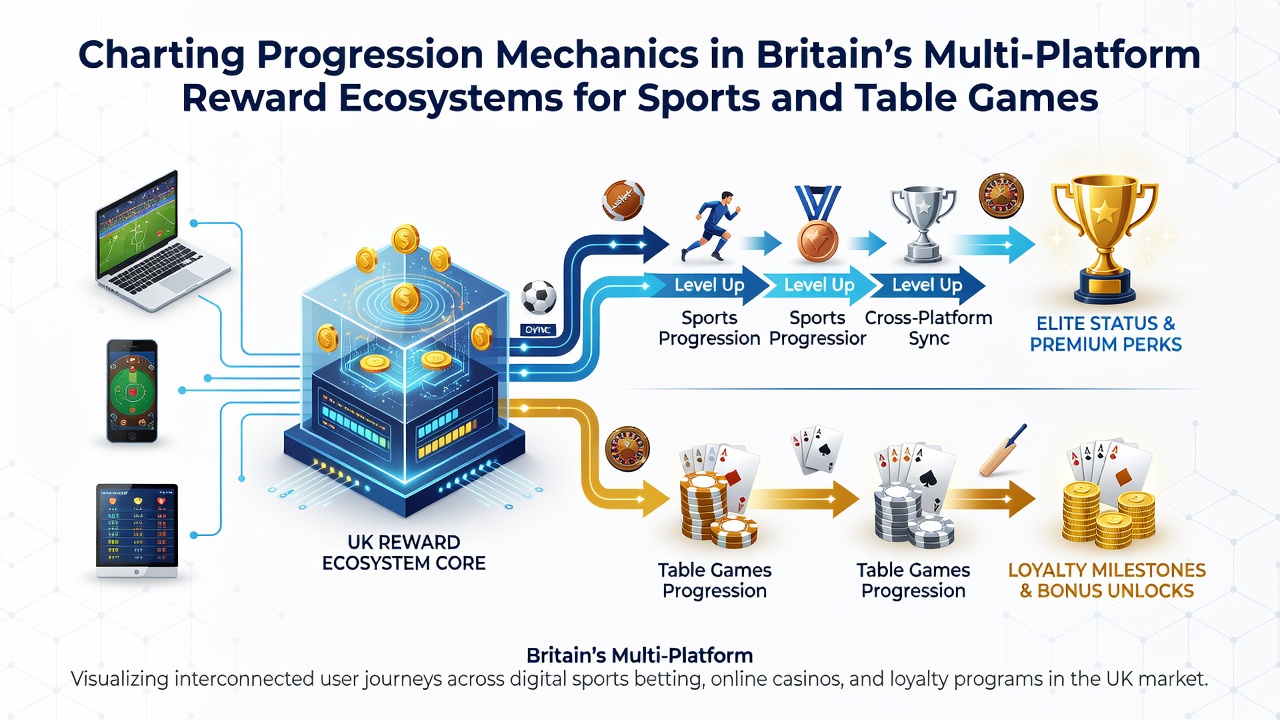
Progression mechanics in Britain's reward ecosystems operate through structured tier systems that track user activity across sports betting and table games on both mobile and desktop platforms, with points accumulated from wagers and spins determining advancement levels that unlock escalating benefits. These systems integrate data from multiple game types so that activity in football accumulators contributes alongside blackjack sessions toward the same loyalty ladder, creating unified pathways rather than isolated programs. Observers note that operators synchronize these mechanics to maintain engagement throughout teh year, and in June 2026 several platforms introduced synchronized monthly resets that carry partial progress forward when users maintain consistent cross-category participation. Tier structures typically begin at entry levels where basic rewards such as free spins or small stake boosts become available after modest point thresholds, then scale upward through intermediate stages that grant access to enhanced cashback rates and personalized bet builders. Higher tiers often incorporate elements like reduced wagering multipliers on sports free bets and extended playtime multipliers for roulette or poker variants. Data from industry reports shows that users who combine table game volume with sports activity reach mid-tier status faster than those focusing on single categories, because point multipliers apply across both verticals simultaneously.How Points Accrue Across Categories
Points calculation incorporates wager amounts, game volatility factors, and platform-specific adjustments so that a £50 football accumulator might generate equivalent value to several hours of mid-stakes blackjack depending on the operator's weighting formula. Multipliers activate during promotional windows, and June 2026 saw several ecosystems apply temporary boosts tied to major tennis tournaments and live dealer events. Those who've studied these patterns find that consistent daily activity across devices prevents point decay, whereas sporadic logins on one platform only can stall advancement even when total spend remains high.
Platform Integration and Cross-Device Tracking
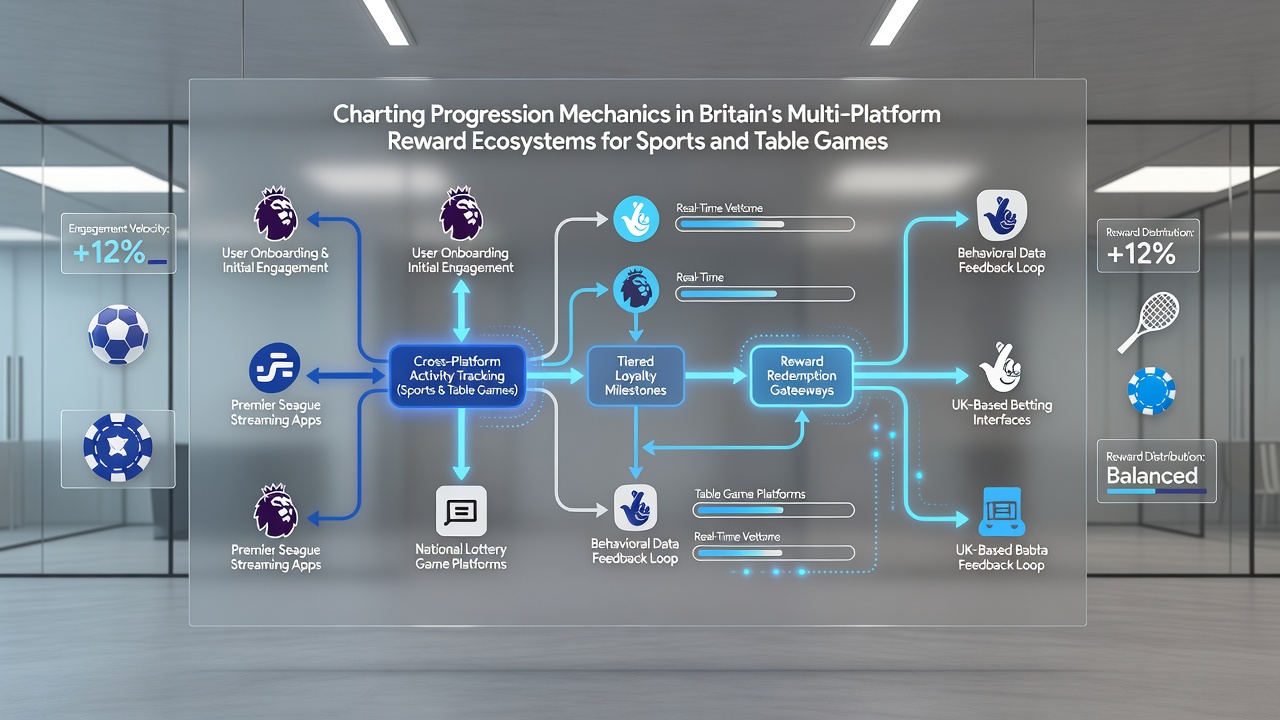
Multi-platform ecosystems rely on unified account profiles that merge mobile app data with desktop sessions, allowing progression to continue seamlessly when users switch devices mid-session. This integration supports features like real-time tier status notifications and instant reward redemptions whether the activity occurs on a smartphone during a live match or at a desktop poker table later. Research indicates that platforms employing such unified tracking report higher retention rates among users who engage with both sports and table games, because the shared progress meter provides visible incentives to diversify activity.
Seasonal Adjustments and June 2026 Developments
June 2026 brought refinements to several progression models, including dynamic tier ladders that adjust point requirements based on overall platform activity volumes rather than fixed monthly targets. These adjustments responded to patterns observed in prior years where summer sports schedules and increased table game traffic created uneven distribution of rewards. Operators implemented adaptive algorithms that redistribute bonus pools according to category participation, ensuring that heavy sports bettors and regular table game players both have viable routes to top-tier status. Figures from European gaming associations reveal that such flexible mechanics correlate with broader user distribution across reward levels instead of concentration at lower tiers.
Conversion Mechanics Between Sports and Table Games
Conversion rates determine how points earned in one category translate to benefits in another, with many systems offering one-to-one parity while others apply slight discounts when moving from high-volatility table games to lower-margin sports wagers. Users can often preview projected tier advancement through in-app calculators that simulate outcomes based on planned activity, helping them strategize participation across both verticals. Those monitoring these ecosystems report that transparent conversion tables reduce confusion and encourage sustained engagement rather than category-specific focus.
Regulatory Context and Industry Standards
Compliance frameworks established by bodies such as the European Gaming and Betting Association influence how progression data gets presented to users, requiring clear disclosure of point expiry rules and tier downgrade policies. Additional oversight from Canadian regulatory sources highlights best practices around responsible progression design that avoids encouraging excessive play through opaque advancement requirements. Industry studies from Australian research institutions further demonstrate that transparent tier communication improves user satisfaction metrics across multi-platform environments.
Future Trajectories in Reward Ecosystems
Progression mechanics continue evolving toward greater personalization, with algorithms incorporating individual play histories to suggest optimal activity mixes for faster advancement. This trend extends the multi-platform approach by incorporating predictive elements that highlight upcoming sports events or table game promotions aligned with a user's current tier trajectory. Observers tracking these developments note that integration depth between sports and table game rewards will likely increase as data analytics capabilities expand throughout 2026 and beyond.
Conclusion
Britain's multi-platform reward ecosystems demonstrate sophisticated progression mechanics that link sports betting and table game activity through unified point systems and tier advancement structures. These frameworks rely on cross-device tracking, adaptive seasonal adjustments, and transparent conversion rules to maintain consistent user movement through reward levels. Data from multiple regulatory and research sources confirms that such integrated approaches distribute engagement more evenly across categories while complying with established industry standards for clarity and responsible design.