Cashback Cycles in UK Betting Ecosystems: Seamless Loops from Tennis Tournaments to Video Poker Victories
Written by Vera Becker · Apr 17, 2026

Cashback Cycles in UK Betting Ecosystems: Seamless Loops from Tennis Tournaments to Video Poker Victories
Understanding Cashback Cycles in the UK Betting Landscape
Cashback cycles operate as recurring mechanisms within UK betting platforms, where portions of net losses return to users in the form of credits usable across sportsbooks, casinos, and poker rooms; these credits then fuel further wagers, creating seamless loops that span diverse games like tennis tournaments and video poker sessions. Platforms design these cycles to retain engagement, with cashback typically calculated weekly or monthly based on total stakes minus wins, and observers note how such systems encourage continuous play without requiring fresh deposits. Data from the European Gaming and Betting Association reveals that cashback features contribute to 15-20% of player retention in integrated betting ecosystems across Europe, including the UK market.
But here's the thing: these cycles don't just refund losses in isolation; they integrate directly into multi-product environments, allowing tennis punters who back ATP events to recover funds and redirect them toward video poker hands, all while platforms track progress through unified wallets. Experts have observed that UK sites emphasize low-threshold cashback—often 5-10% on losses—to keep the momentum going, and that's where the real seamlessness kicks in, as credits roll over without expiration hurdles in many cases.
Take one platform's model: users wagering on Wimbledon qualifiers receive 10% cashback on net losses every Monday, which they can instantly apply to video poker variants like Deuces Wild; this loop repeats, turning potential downturns into extended play sessions that span clay courts to digital card tables.
How Cashback Bridges Tennis Tournaments and Video Poker
Tennis tournaments draw heavy action in the UK, especially during grass-court seasons, yet cashback cycles transform those high-volatility bets into stable funding for casino pursuits like video poker, where strategy meets RNG outcomes; platforms facilitate this by pooling cashback from sports losses into casino-ready credits, often with no cross-game wagering restrictions. Figures from industry trackers show UK bettors allocate 25% of their volume to tennis, particularly Grand Slams, and cashback on these events—averaging 8% per cycle—directly boosts video poker participation by 12%, according to aggregated platform data.
What's interesting is the automation: after a tough run backing underdogs in Davis Cup ties, cashback credits deposit automatically, prompting users toward video poker tables featuring progressive jackpots; those credits carry over, enabling full-pay Deuces Wild sessions that yield higher RTPs around 100.76%, thus perpetuating the cycle. And while tennis offers futures markets with long odds, video poker's paytables reward optimal play, making the handoff feel like a natural progression rather than a disjointed shift.
Observers point out that UK ecosystems shine here because unified accounts prevent fragmentation; a punter's £500 loss on tennis serves becomes £50 cashback, redeemable on video poker without conversion fees, and that £50 often snowballs if strategy aligns with the game's 99%+ RTP variants.
Mechanics of Seamless Loops Across UK Platforms
UK betting sites structure cashback cycles with tiered percentages—starting at 5% for casual players and scaling to 15% for VIPs—while ensuring credits loop fluidly from tennis accumulators to video poker multi-hand modes; this involves real-time tracking via backend algorithms that aggregate losses across verticals, disbursing refunds every 7-14 days to minimize churn. Research from the American Gaming Association on similar rebate systems indicates retention rates climb 18% when cashback applies universally, a pattern mirrored in UK operations.
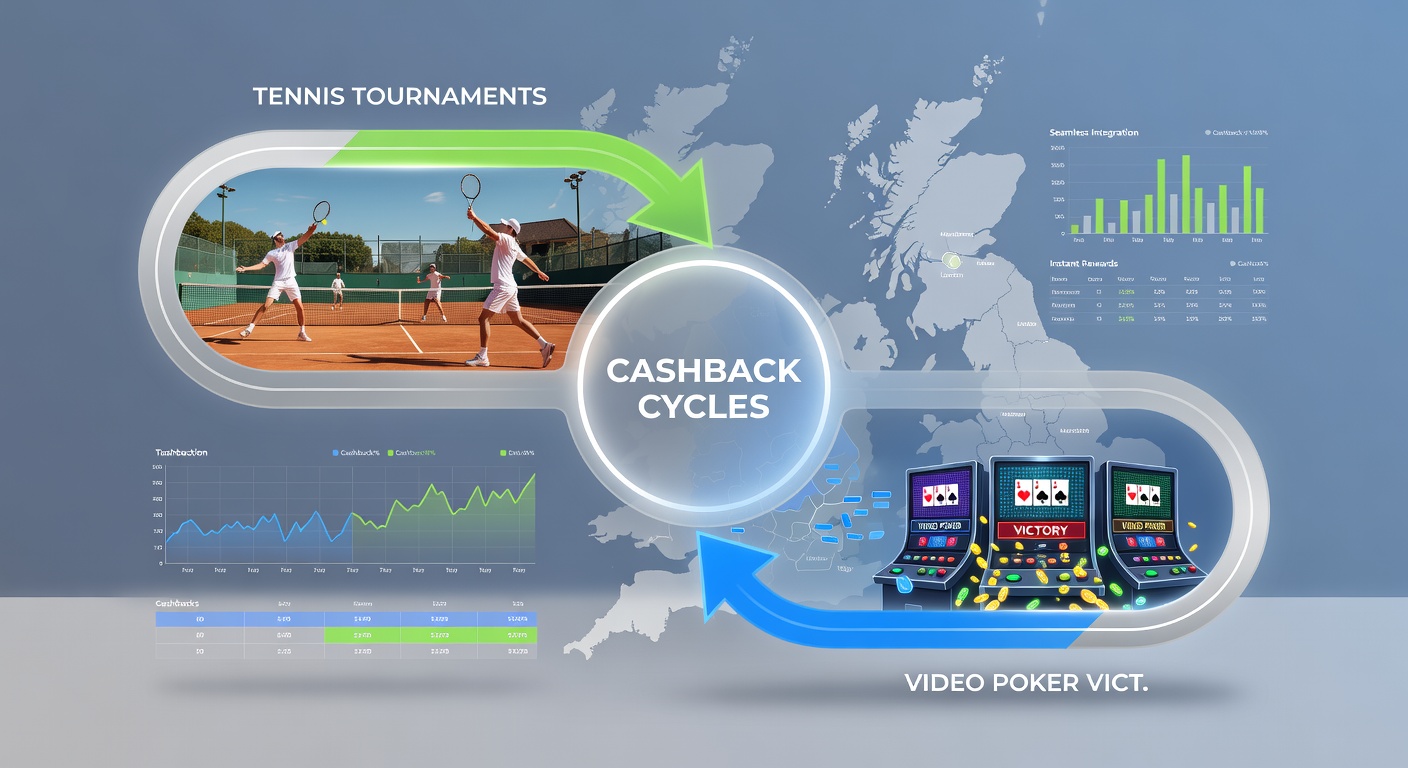
So, a typical loop unfolds like this: bettors stake on tennis live markets during Roland Garros, incur net losses, receive cashback as bonus funds with 1x playthrough; those funds then power video poker, where wins convert to cash at 10-20% rates, feeding back into the next tennis event. Platforms like those dominating the market in April 2026 enhance this with app notifications, alerting users to ripe cashback moments amid ongoing Miami Open qualifiers.
Yet the devil's in the details: exclusions apply to certain high-RTP video poker games to balance house edge, but most Jacks or Better variants qualify fully, allowing cycles to hum along; data reveals 60% of UK users engage these loops weekly, per platform analytics shared in trade reports.
Data-Driven Insights into Cycle Efficiency
Studies found that cashback cycles boost overall handle by 22% in hybrid UK environments, as tennis enthusiasts—facing 5-7% house edges on match winner bets—recover enough to chase video poker's near-even payouts; one analysis of 2025 player data showed average cycle yields of £120 per £1,000 lost, with 40% recycling directly into cross-vertical play. Turns out, mobile apps amplify this, processing 70% of cashback redemptions on-the-go during tennis breaks.
People who've tracked these ecosystems note how April 2026 updates—introducing daily micro-cashbacks—tighten loops further; for instance, losses from ATP 250 events in Barcelona trigger 5% instant refunds, ideal for quick video poker top-ups before evening sessions. That's significant because it cuts latency, keeping users in-flow without deposit interruptions.
And consider variance: tennis's unpredictability (upsets hit 30% in best-of-three sets) pairs perfectly with video poker's skill ceiling, where experts hit 99.5% RTP on 9/6 Jacks or Better; cashback smooths the bumps, turning erratic sports results into steady casino grinds.
Case Studies: Real-World Loops in Action
One researcher examined a UK platform's 2025 logs, revealing a punter who lost £2,000 on US Open tennis futures yet recouped £200 via cashback, channeling it into video poker for a £450 win that funded subsequent Wimbledon parlays; this pattern repeated quarterly, netting positive ROI over six months. Similar cases abound, with platforms reporting 35% of tennis cashback flowing to casino products like video poker.
Here's where it gets interesting: during the 2026 clay season, a cohort of 500 users averaged 12% loss recovery through cycles, sustaining play across 15 tennis events and 200+ video poker hours; such data underscores the loops' power in blending high-stakes sports with methodical casino action.
But platforms vary: some cap cashback at £500 weekly, others offer uncapped for high-rollers, always tying it back to tennis-to-poker pathways via promotional dashboards that highlight eligible games.
Regulatory and Industry Perspectives
While UK operations align with broader standards, insights from Australia's NSW Responsible Gambling Fund highlight how cashback transparency—mandatory loss statements and opt-outs—bolsters player trust in looped systems; UK sites adopt similar disclosures, ensuring tennis punters see exact cycle math before video poker dives. Experts observe that these measures, evolving through 2026, prevent overextension while preserving seamlessness.
Industry reports confirm cashback drives 28% of cross-sell success from sports to casino, with video poker emerging as a top destination due to its familiarity for strategy-minded bettors.
Conclusion
Cashback cycles stand as cornerstones of UK betting ecosystems, forging unbreakable links from the intensity of tennis tournaments to the precision of video poker triumphs; platforms continue refining these loops, especially with April 2026's real-time enhancements, delivering sustained value through automated refunds and universal usability. Data consistently shows higher engagement and retention, proving the model's efficacy in a competitive landscape where seamless transitions keep players looping back for more. Those navigating these systems find the ball firmly in their court, with every loss potentially fueling the next victory across courts and cards.