Calendar-Driven Reward Alignments in British Digital Forecasting Platforms and Parlor Game Suites
Written by Ben Bennett · Jul 12, 2026
Calendar-Driven Reward Alignments in British Digital Forecasting Platforms and Parlor Game Suites
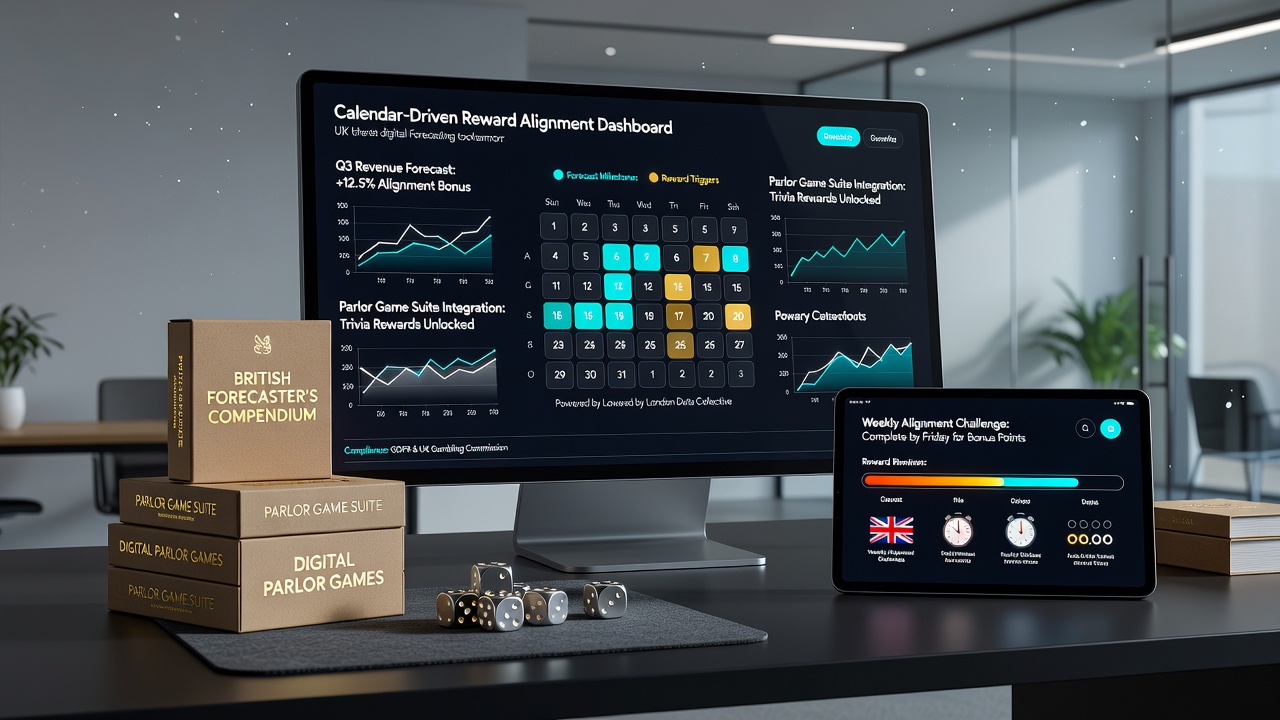
British digital forecasting platforms and parlor game suites structure rewards around calendar milestones that include daily login sequences, weekly reset cycles, monthly leaderboard evaluations, and quarterly event clusters, according to industry data compiled by the European Gaming and Betting Association. These alignments allow operators to synchronize promotional mechanics with predictable date-based triggers rather than ad-hoc releases, and platforms adjust parameters such as wager multipliers or tier thresholds to match the length of each calendar segment.
Core Components of Calendar Alignment
Daily reward loops typically reset at midnight GMT and grant incremental credits that accumulate toward weekly caps, while weekly structures often conclude on Sunday evenings to prepare for Monday restarts. Monthly cycles incorporate progressive challenges that span four or five weeks depending on the calendar month length, and these patterns appear consistently across multiple operator dashboards. Observers note that such segmentation reduces overlap between reward pools and creates measurable progression markers that users track through built-in calendars.
Parlor game suites integrate similar resets for slot tournaments and table game leaderboards, whereas forecasting platforms tie reward windows to fixture dates in domestic leagues. Data from platform analytics shows that alignment with external calendars increases session frequency during the first and last weeks of each month when many users complete prior cycles and initiate new ones.
Seasonal and Mid-Year Event Integration
Operators map summer fixtures and festival periods onto existing reward frameworks, with July 2026 positioned as a midpoint where platforms refresh quarterly leaderboards and introduce cross-game sequences. These sequences link sports forecasting credits earned in early July to parlor game spins available in the latter half of the month, allowing users to carry progress between verticals without resetting balances. Industry reports indicate that such bridging mechanics appear more frequently when calendar months contain clustered public holidays or major sporting events.
Alignment also occurs around fiscal quarter ends, when operators recalibrate bonus pools to reflect revenue targets set at the start of each calendar year. Researchers from academic studies on digital engagement patterns have documented how these recalibrations correlate with measurable shifts in user activity during the transition weeks between quarters.
Technical Implementation Across Platforms
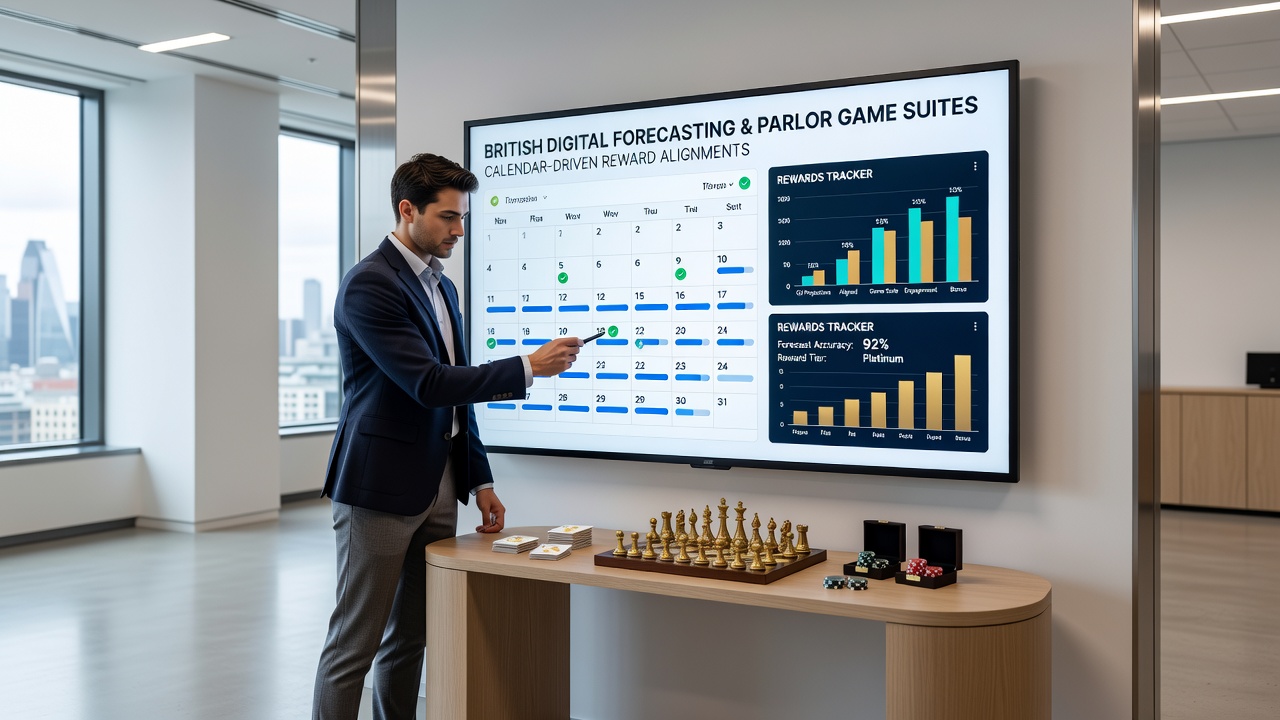
Backend systems employ date-stamped triggers that activate reward tiers automatically, and these triggers reference both Gregorian calendar dates and event-specific schedules such as Premier League matchweeks. Mobile applications display countdown timers that count down to the next reset, while desktop versions embed calendar widgets that highlight upcoming alignment windows. Platform documentation reveals that synchronization between forecasting and parlor game modules occurs through shared user profiles that carry calendar progress across both suites.
One documented approach involves rolling 28-day cycles that realign every four weeks regardless of month boundaries, creating consistent reward pacing that operators adjust for leap years or calendar drift. Another method overlays national holiday dates onto standard weekly structures, extending or compressing certain reward windows to accommodate shortened business periods.
Cross-Platform Data Patterns
Analytics shared by trade research groups show that calendar-aligned rewards produce higher completion rates for multi-week challenges compared with standalone promotions. Users who begin cycles near the start of a calendar month demonstrate greater retention through the full period, and operators respond by front-loading introductory tiers during those opening days. Forecasting platforms record elevated activity when reward windows coincide with fixture congestion periods, whereas parlor game suites see parallel spikes around recurring monthly tournaments.
External regulatory frameworks in regions such as Canada and Australia provide comparative benchmarks that British operators reference when designing calendar structures, ensuring alignment mechanics remain within established responsible gaming parameters. Reports from the Responsible Gambling Council in Canada highlight how predictable reset schedules can support clearer user budgeting when combined with visible calendar tools.
Conclusion
Calendar-driven reward alignments in British digital forecasting platforms and parlor game suites rely on structured resets that follow daily, weekly, monthly, and quarterly markers, with additional overlays for seasonal events and mid-year periods such as July 2026. These systems connect forecasting and parlor game environments through shared progress tracking, and industry sources including the European Gaming and Betting Association document consistent implementation patterns across operators. Observers continue to track how these alignments evolve alongside fixture calendars and fiscal reporting cycles.