Aligning Promotional Windows with Major Sporting Calendars for Enhanced Reward Access in Digital Betting Environments
Written by Vera Becker · May 17, 2026
Aligning Promotional Windows with Major Sporting Calendars for Enhanced Reward Access in Digital Betting Environments
Digital betting environments operate within structured calendars that revolve around major sporting events, and platforms adjust their promotional schedules to match these timelines for maximum user engagement. Major leagues and tournaments create predictable peaks in activity, allowing operators to launch time-limited offers that coincide with high-traffic periods such as the start of football seasons, tennis Grand Slams, or international competitions. This alignment helps users access rewards during moments when betting volumes naturally increase, according to patterns observed across multiple regulated markets.
Core Sporting Calendars That Drive Promotional Timing
Football seasons in Europe and South America establish the foundation for many promotional cycles, with the English Premier League, La Liga, and Serie A typically running from August through May each year. Operators often open deposit-match or free-bet windows in the weeks leading into August fixtures, then refresh offers again around winter transfer deadlines and spring title deciders. Tennis follows a separate rhythm, with the Australian Open in January, Roland Garros in late May, Wimbledon in July, and the US Open in August-September; these Grand Slam periods frequently trigger short-term casino crossovers or accumulator boosts that run for the duration of each event.
Other calendars include the NBA and NHL playoffs stretching into June, cricket's Indian Premier League in spring, and horse-racing festivals such as the Cheltenham Festival in March or Royal Ascot in June. Data from industry tracking services shows that reward redemptions rise sharply when promotions overlap with these fixed dates, because users already plan their activity around live matches or races.
How Platforms Schedule Windows Around Key Dates
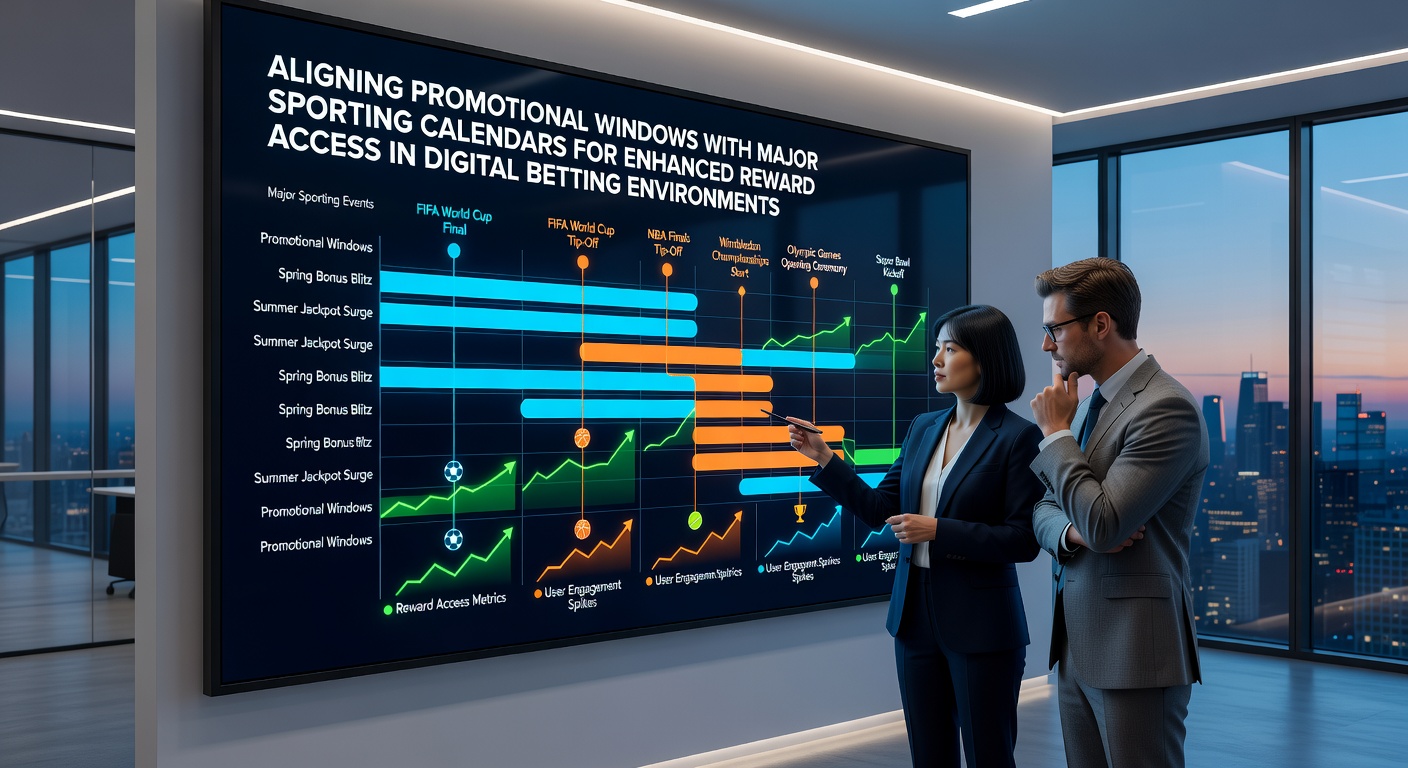
Operators map promotional start and end dates to the opening matches, quarter-finals, and finals of major events rather than spreading offers evenly across the calendar year. A typical approach begins with teaser bonuses two to three weeks before a tournament kicks off, followed by stepped-up rewards during group stages or early rounds, and then final-week multipliers tied to championship matches. This structure lets users chain smaller rewards into larger ones without resetting their activity windows.
In May 2026, for example, the UEFA Champions League final, the conclusion of several domestic leagues, and the opening rounds of Roland Garros all cluster within the same month. Platforms therefore activate overlapping football accumulator bonuses and tennis-specific free spins during this compressed period, creating extended access windows that cover multiple sports simultaneously. Observers note that such clustering reduces the need for separate sign-ups and lets users move rewards between betting verticals while the events remain live.
Mechanics of Reward Access During Aligned Periods
Promotional terms usually specify activation deadlines that sit just before or immediately after key fixtures, which encourages users to claim offers while attention is highest. Wagering requirements may also pause or extend during live events so that users who place bets on ongoing matches can meet conditions without pressure from external deadlines. Research from academic studies on consumer behavior in gambling markets indicates that synchronized timing correlates with higher completion rates of bonus conditions when compared with off-peak promotions.
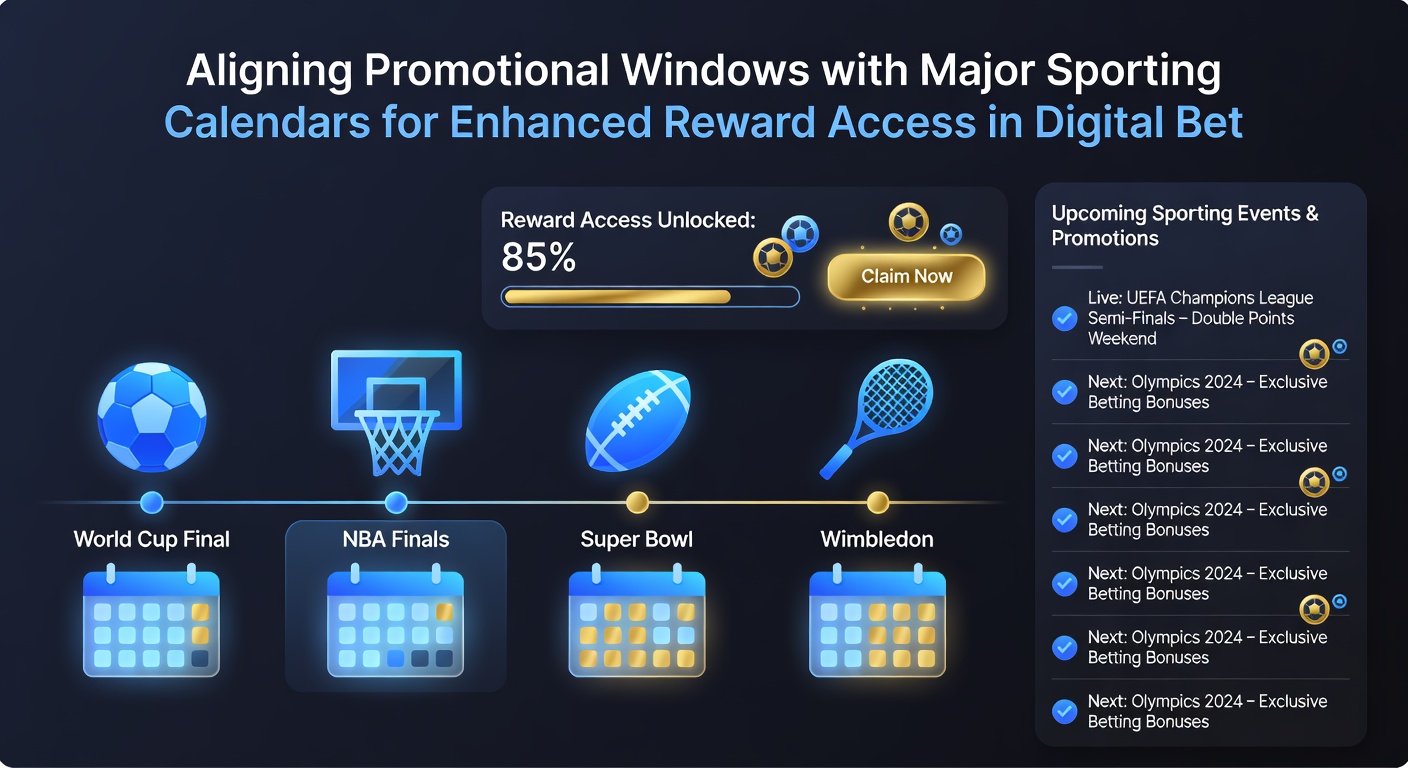
Users gain the ability to switch between sportsbooks and casino sections using the same bonus balance during these aligned windows. A single deposit can fund both an in-play football stake and a set of spins on a related casino game if the platform has linked the two verticals under one promotional code. This cross-vertical movement becomes especially useful when calendars feature back-to-back events, such as a Saturday football slate followed by Sunday tennis finals.
Regulatory and Market Factors Influencing Alignment
Regulators in various jurisdictions require clear disclosure of promotion start and end dates, which encourages operators to publish calendars that reference specific sporting fixtures. In Australia, the Northern Territory Racing Commission oversees advertising standards that tie promotional language to verifiable event schedules, while Canadian provincial regulators examine whether time-limited offers create undue pressure during high-visibility tournaments. These frameworks push platforms toward transparent alignment rather than random launches, because dates tied to public sporting calendars are easier to justify and audit.
Industry organizations such as the European Gaming and Betting Association publish aggregated data on promotional uptake, and figures reveal stronger participation when offers run parallel to major events rather than during quiet periods. Operators therefore maintain internal databases that cross-reference fixture lists from FIFA, UEFA, the ATP Tour, and national leagues to forecast optimal launch windows months in advance.
Observed User Patterns and Platform Adjustments
Users who follow multiple sports often time their deposits and withdrawals to coincide with these aligned windows, because one funding action can unlock rewards across several events. Platforms respond by extending cookie durations or account eligibility periods so that a user who registers during the Champions League group stage can still access later knockout bonuses without re-verification. Such adjustments reflect the reality that sporting calendars rarely align neatly with calendar months, requiring flexible reward structures that span several weeks.
Take one European operator that shifted its entire May promotional slate in 2025 to begin three days before the Champions League semi-finals and end one week after Roland Garros concluded; the change produced measurable increases in daily active users across both sports and casino products. Similar adjustments appear regularly as platforms refine their internal calendars against updated fixture releases from governing bodies.
Conclusion
Aligning promotional windows with established sporting calendars creates predictable access points for rewards in digital betting environments. Operators rely on fixed dates from football leagues, tennis majors, and other competitions to time offers that users can claim and complete during periods of elevated interest. Data from regulatory bodies and industry groups shows that this approach improves reward redemption rates while satisfying transparency requirements across different markets. As calendars evolve with new tournaments and seasons, platforms continue to refine their scheduling practices to maintain consistent user engagement without introducing additional complexity.